MintPull
- 3.9
- Rating
- 10.00K
- Installs
- Free
- Price

 Analysis by App-foxy
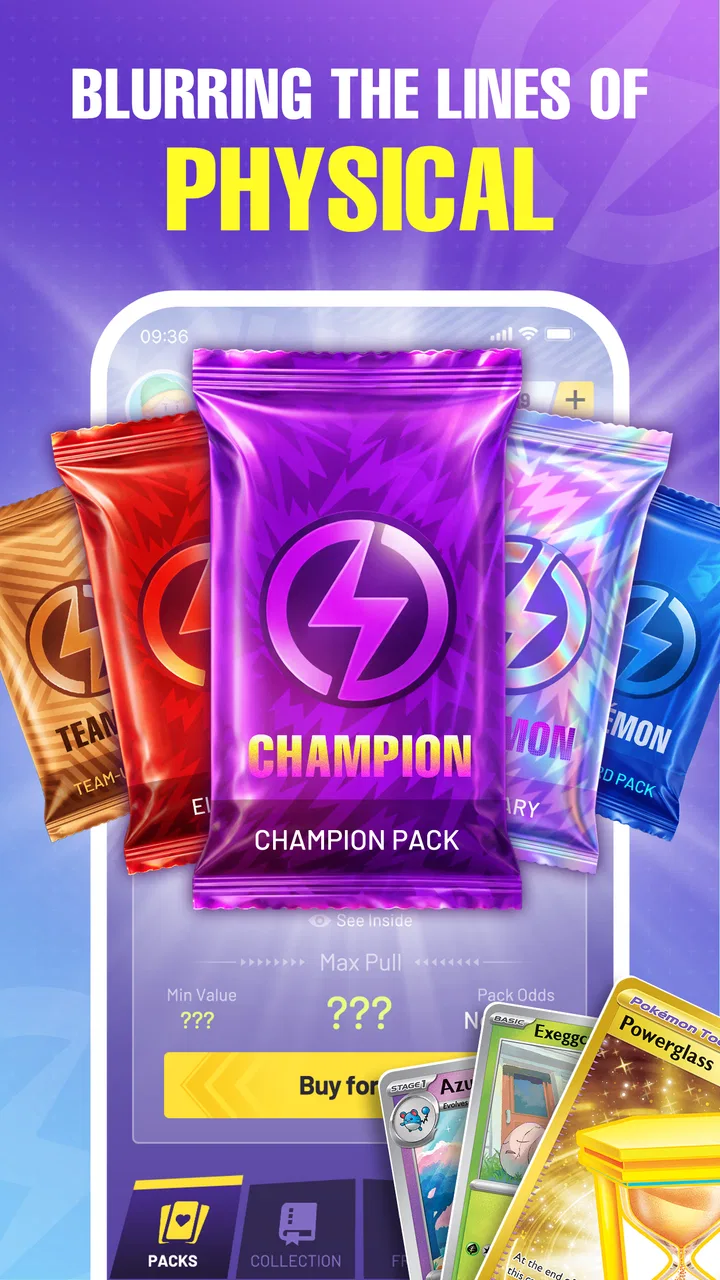
MintPull is a shopping app built around the excitement of opening card packs and chasing rare collectibles. I approached it less like a conventional marketplace and more like a focused digital collecting experience: the appeal is the reveal, the possibility of finding something valuable, and the satisfaction of keeping track of a pull. That makes it immediately interesting for collectors, but it also means the app needs to be judged on more than its basic promise. The real question is whether the experience remains comfortable, understandable, and usable for people with different abilities and in different everyday situations.
After spending time with it, my impression is mixed but positive. The concept is easy to understand, the free entry point lowers the barrier to trying it, and the app has a clear identity. At the same time, the excitement of pack opening can make an experience feel fast and visually demanding, especially for anyone who needs more time to read, tap, or process what is happening. I would recommend trying MintPull if you enjoy collectible cards and short bursts of anticipation, but I would not treat it as a replacement for a traditional shopping app or a physical card collection.
How the experience reads and navigates
I look at the reading and navigation through one practical question: can I tell what a pull means without having to rush through its presentation? A focused card-pack experience can be easier to approach than a broad store, but the result only feels clear when the essential details stand out from the reveal. That distinction matters even more when considering how to use MintPull in real situations.
You May Also Like

 AccuWeather: Weather Radar
AccuWeather Review: A Quick, Clear Forecast for Everyday Decisions
For everyday plans, the best forecast is the one you can understand quickly. AccuWeather makes rain timing, radar, and local conditions easy to act on, with a few trade-offs.

 Hill Climb Racing
Why Hill Climb Racing Still Turns Crashes Into One More Run
A tiny car, a bumpy hill and one more upgrade: Hill Climb Racing keeps resurfacing because its simple chaos makes every near-miss feel personal.

 AliExpress - Shopping App
AliExpress Makes Global Shopping Feel Personal, but Shoppers Bear the Risk
AliExpress turns a global marketplace into a pocket-sized discovery engine. Its reach is useful, its shopping loop compelling, and its trade-offs easy to miss.

 Lords Mobile: Kingdom Wars
Lords Mobile Is a Kingdom-Building Routine, Not a Quick Match
A case-by-case verdict on the building, battles, device demands, and social commitments that make Lords Mobile rewarding for some players and exhausting for others.

 PDF Scanner app - TapScanner
TapScanner Makes Paperwork Easier to Capture, Check, and Share
TapScanner makes scanning with a phone feel less like a rescue operation and more like a dependable step in getting work done. Its capture tools are useful, though not flawless.

 Block Blast!
 Shows How Much a Puzzle Game Can Leave Out
A quiet grid game shows why puzzle players increasingly value instant clarity, repeatable skill and low-pressure play—and where the genre still needs to catch up.
More From Our News Desk
View All News


A simple idea with a narrow purpose
The strongest accessibility advantage is conceptual clarity. MintPull is not trying to be a broad retail catalog with clothing, electronics, delivery options, and account tools competing for attention. Its purpose is centered on ripping packs and scoring rare collectibles. That narrow focus helps me understand what I am there to do without needing to learn a complicated shopping structure first.
For a new user, the basic mental model is approachable: choose the relevant pack experience, open it, and inspect the result. That is much easier to grasp than a marketplace where the main task may be hidden behind several layers of filters, seller pages, shipping choices, and checkout decisions. People who find large shopping apps tiring or confusing may appreciate this more concentrated design.
Still, simplicity of purpose is not the same as effortless navigation. A collecting app can become difficult when the user needs to distinguish between a new pull, an item already seen, a particularly rare result, and something worth revisiting later. Those distinctions matter because the emotional value of the app depends on understanding what just happened. If labels, rarity cues, or collection information are visually subtle, someone with reduced vision or limited attention may miss the most important part of the experience.
Readability matters during the reveal
The pack-opening moment is likely to attract the most attention, but it is also where pacing can create problems. A flashy reveal may be enjoyable for someone who likes suspense, while another person may need a calmer presentation with enough time to read names and details. I found that this kind of app works best when I can pause mentally between the reveal and the information that explains the result.
My practical advice is to avoid judging a pull only by its animation or first visual impression. Give yourself time to inspect the card information before moving on. If you are using a larger display, landscape orientation, or device-level text and display settings, check whether the important details remain easy to distinguish. Enlarging text can improve reading comfort, but it can also change how much information fits on screen, so a user may need to balance readability against scrolling or cramped layouts.
The app’s current version is 1.0.1, which is still an early point in its life. That matters when I think about navigation polish. A focused first release can provide a clean foundation, but collecting apps often need refinement around history, sorting, confirmation messages, and item details as people spend more time with them. I would like to see those areas treated as part of accessibility rather than as optional extras, because clear organization helps everyone, not only users with disabilities.
Useful habits for keeping the collection understandable
One non-obvious way to make the experience easier is to slow down your own workflow. Instead of opening packs repeatedly in a rush, I would review each result before starting the next one. This reduces the chance of overlooking a rare item or losing track of what was already seen. It also makes the app more manageable for users who find rapid transitions tiring.
A second helpful habit is to use MintPull in short sessions. The app’s appeal is naturally suited to brief moments, such as a break between tasks, rather than a long, uninterrupted shopping trip. Short sessions reduce visual fatigue and make it easier to remember which items deserve attention. If you are collecting with a specific goal, such as looking for a particular type of rare card, deciding that goal before opening packs can prevent the experience from becoming visually and mentally cluttered.
Motor and sensory considerations
Touch interaction is central to a pack-opening app, so comfort depends on how much precision and timing the interface expects. Users with tremors, reduced dexterity, joint pain, or one-handed use may find repeated tapping less comfortable than someone using both hands freely. I would approach the app with the expectation that deliberate taps are safer than quick gestures, especially during a reveal where it may be tempting to tap repeatedly.
A phone held in one hand also changes the experience. If important controls sit near an edge or require a particular grip, the app may be easier to use on a stable surface. A small stand or a two-handed grip can make a surprisingly large difference during longer sessions. This is not a special trick for collectors; it is a sensible way to reduce accidental taps and hand strain when an app asks for repeated interaction.
Sensory comfort is another important part of the design. The excitement of opening a pack may involve movement, changing visuals, or a strong emphasis on surprise. That can be engaging, but users sensitive to animation, rapid transitions, or visual intensity may prefer to use the app in a quiet environment and take breaks between actions. If your device offers system-level motion reduction, contrast, or display adjustments, it is worth testing those settings with MintPull rather than assuming the default presentation will suit you.
Sound can also affect where and when the app feels appropriate. I would not open packs in a meeting, a crowded waiting room, or anywhere that unexpected audio could be distracting. Using the device quietly makes the experience more discreet, while headphones may help in some situations but can reduce awareness of what is happening around you. That trade-off is especially relevant for users who need to keep their attention on nearby people, traffic, or other environmental cues.
Who may find the interaction comfortable
MintPull is a good fit for someone who enjoys short, focused interactions and can comfortably read card details on a phone. It may also suit users who like a clear routine: open, inspect, decide whether to continue, and stop. The narrow activity means there is less pressure to master a large set of shopping tools.
It is less suitable for someone who wants a completely calm, text-first collecting experience. If you dislike surprise mechanics, fast visual feedback, or repeated touch actions, a conventional card database or a physical binder may be a better match. Those alternatives usually shift the focus from anticipation to browsing, organizing, and examining items at your own pace.
Using MintPull in real situations
In everyday use, I would choose moments when I can pause and inspect a result rather than squeeze pack opening into a task that might interrupt me. Thinking ahead about the setting also helps: a steady grip, enough light, and a little breathing room can make a short collecting session more comfortable. With that in mind, the next section looks at which situations suit the app—and when another collecting option makes more sense.
A realistic everyday session
Imagine having ten minutes before an appointment. You want something more engaging than scrolling through a general shopping feed, but you do not have time to compare products or complete a detailed purchase. MintPull fits that moment better than a traditional marketplace because its purpose is immediate. I could open it, focus on a small collecting goal, inspect the result, and leave without turning the session into a larger shopping task.
That same scenario also reveals a limitation. If the reveal takes more attention than expected, the app can become a poor choice when you may need to stop suddenly. I would avoid starting a pack just before boarding transport, entering a meeting, or handling something that requires both hands. The best use case is a controlled pause where you can finish examining the result instead of abandoning the process halfway through.
Different abilities, different settings
People who rely on screen readers, magnification, voice control, switch access, or other device assistance should test the core flow carefully. The key question is not simply whether the app opens, but whether the important information is exposed in a usable order: what action starts a pack, what result appeared, how rare it is, and what control moves forward. A visually attractive collectible app can still be difficult if those meanings depend too heavily on color, animation, or position.
For users with low vision, I would pay particular attention to the difference between decorative effects and essential information. A rare pull should be identifiable through clear text or another dependable cue, not only through a special color or glow. If the app communicates value mainly through visual emphasis, a user may need to confirm details more slowly or use device magnification.
For users with hearing loss, the experience should ideally remain understandable without relying on sound. I would keep the focus on visible card information and treat audio as an enhancement rather than the only signal that something important happened. For users with cognitive disabilities or attention-related needs, a predictable routine and short sessions may help, while repeated surprises or crowded result screens may make the app harder to follow.
When a different option is better
MintPull should not be confused with a standard online store. If your goal is to buy a specific card, compare sellers, check shipping, or inspect a detailed product history before spending money, a conventional marketplace is likely more suitable. Its strength is the pack-opening experience, not the careful research workflow associated with a serious purchase.
A physical collection may be better for someone who wants full control over pace, lighting, magnification, and organization. A spreadsheet or collection database may be better for users who care about inventory accuracy and long-term cataloging. A community trading platform may be better when the main goal is exchanging cards with other collectors rather than enjoying a reveal. MintPull has a more immediate and playful role, but that focus naturally leaves some practical collecting tasks to other tools.
What the audience and reputation suggest
The app is free, which makes experimentation straightforward, although free access does not automatically mean the experience will suit every user. MintPull is marked for mature audiences aged 17 and over, so it is not something I would recommend treating as a children’s collecting app. Parents and guardians should pay attention to that age classification before allowing younger users to engage with it.
It has passed the early discovery stage without becoming a huge mainstream platform: the listing shows over ten thousand installs, with an average of around four stars from a little over three hundred ratings. I read that as a sign of genuine interest alongside a reason to keep expectations measured. There is enough audience activity to suggest that the concept connects with people, but not enough to assume that every workflow has already been refined for every type of user.
Amber444 is the developer behind the app. When I evaluate a focused product from a smaller developer, I look closely at whether the current experience feels understandable without relying on a large support ecosystem. In MintPull’s case, that makes self-guided clarity particularly important. A new collector should be able to tell what happened after a pull without needing prior knowledge of the hobby.
Remaining barriers I would watch
The biggest potential barrier is the gap between visual excitement and informational clarity. Collecting apps often make the reveal memorable through motion, color, and emphasis, but those same elements can hide the information a user actually needs. If the interface does not provide enough time, strong text labels, or a dependable way to revisit results, users with visual, motor, or cognitive differences may be placed at a disadvantage.
Another barrier is the emotional structure of opening packs. The experience encourages curiosity and continuation, which can be enjoyable, but it may be uncomfortable for people who prefer predictable outcomes or who are trying to limit impulsive spending and repeated engagement. I would set a personal stopping point before beginning a session, particularly if the app presents additional opportunities to keep opening packs. That boundary is useful even when the app is being used casually.
There is also a social and environmental barrier. A person who needs privacy, low noise, or a stable posture may not be able to use the app comfortably in every place where a phone is available. The app is portable, but portability is not the same as situational accessibility. I would choose a location with enough light to read the screen, a stable grip, and minimal interruption.
Finally, early-version polish can affect confidence. If a result screen is ambiguous, if navigation requires trial and error, or if an action does not provide clear feedback, users with disabilities may spend more effort interpreting the interface than enjoying the collection. Those details are worth reporting to the developer because they can often be improved without changing the central idea.
My inclusive verdict
I enjoyed MintPull most when I treated it as a compact collecting activity rather than a complete shopping destination. The app has a clear identity, a free starting point, and a concept that is easy to explain to a friend. Its strongest audience is made up of people who enjoy the suspense of opening packs and can comfortably manage a visually focused, touch-driven experience in short sessions.
The best way to use MintPull is deliberately: choose a quiet moment, slow down after every reveal, and verify the result before continuing. That approach improves readability, reduces accidental taps, and makes the collection feel more manageable. It also helps users notice whether the app’s presentation works for their own vision, hearing, movement, attention, and sensory needs.
I would recommend giving it a try if you want a lightweight way to explore rare collectibles and do not need the research tools of a normal marketplace. I would skip it if you are looking for guaranteed purchases, detailed inventory management, a completely calm interface, or a collecting experience designed primarily around accessibility controls. MintPull is promising as a focused card-pack app, but its inclusive value depends heavily on how clearly each result is communicated and how comfortably each person can control the pace.
Overall, I see it as an appealing niche shopping app with a strong central idea and some practical limits. Its mature age rating, early version, and moderate community footprint make it better suited to curious adult collectors than to families or highly systematic buyers. If that description matches you, the free download makes testing the experience relatively easy. Just approach it as a short, sensory collecting session—not as a substitute for a full card marketplace or a carefully organized collection archive.
FAQs for MintPull
01What is MintPull and what can I use it for?
MintPull is an app designed to help users manage and interact with digital content or services through a mobile device. Before downloading, check the official store description to confirm its current purpose, supported features, and availability in your country. The app’s tools, interface, and supported services may change with updates, so the latest version should always be treated as the most accurate reference.
02Is MintPull free to download and use?
MintPull may be available as a free download, but some features can require in-app purchases, subscriptions, account upgrades, or other payments. I recommend reviewing the pricing section in Google Play or the App Store before installing it. Also check whether subscriptions renew automatically, what payment methods are accepted, and whether deleting the app cancels a subscription, since uninstalling normally does not stop recurring billing.
03Is MintPull safe and trustworthy to install?
Download MintPull only from its official Google Play or Apple App Store listing rather than from unofficial websites or modified APK files. Before installation, review the developer name, ratings, recent user comments, update history, and requested permissions. Avoid granting access that seems unrelated to the app’s purpose, and make sure your device uses a current operating-system version and reliable security protection.
04What permissions and personal information does MintPull require?
The information MintPull collects and the permissions it requests depend on its current features and platform. During setup, pay attention to access involving storage, notifications, contacts, location, camera, microphone, or account information. Read the app’s privacy policy and the data-safety details shown in the relevant app store. If a permission is optional, you can usually deny it and test which functions remain available.
05Which devices support MintPull, and what should I do if it does not work?
Compatibility can differ between Android and iOS, and some functions may require a newer operating-system version, an internet connection, or a supported device configuration. Check the official store listing for minimum requirements before downloading. If MintPull crashes or fails to load, update the app, restart your device, verify your connection, clear temporary data where applicable, and contact the developer through the official support channel.
Pros
- Simple interface makes browsing and discovering content easy.
- Lightweight design should run smoothly on many Android and iOS devices.
- Quick access to frequently used sections saves time.
- Useful for users who prefer a focused
- no-frills experience.
- Regular updates can improve stability and introduce helpful refinements.
Cons
- Some features may require an account or additional setup.
- The app may feel limited for users seeking advanced customization.
- Performance can vary depending on device and internet connection.
- Privacy details should be reviewed carefully before creating an account.
- Support options may be limited if you encounter technical problems.

MintPull
Gallery